

Baan Dak Kang
The Coffee Heritage of the Katu People
A History of Coffee
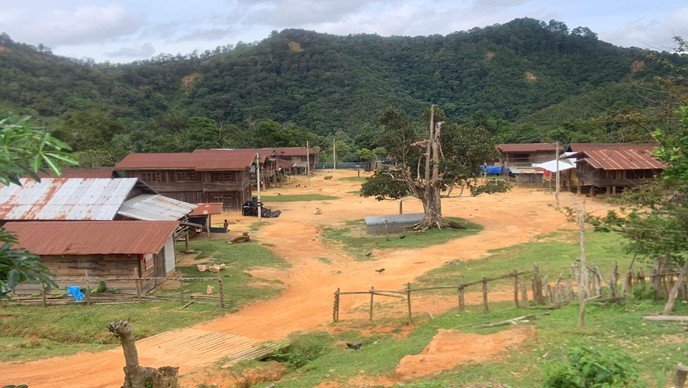
The village’s connection to coffee dates back to 1954, when the first coffee trees were introduced by foreigners. At the time, the locals were unaware of the crop's potential. This changed when the village chief and two other residents traveled to work on coffee plantations in the Pak Chong area. Recognizing coffee as a sustainable source of income, they brought that knowledge home. Today, coffee cultivation is the heartbeat of the village, with 100% of households growing coffee.
Location & Accessibility
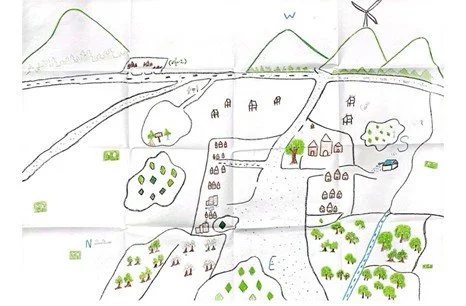
Ban Dak Kang is a traditional community of the Katu ethnic group, located in the Dak Cheung District of Sekong Province. The village is situated 68 km from the main district center, with a travel time of approximately 1 hour. It is accessible via two main routes: one through Dak Cheung and another through Dak Triam.
Community Profile
The village is home to a close-knit population of 203 residents (including 95 women) living in 42 households. The entire community is united by a shared dedication to agriculture and specialty local produce.
Cooperative Management & Infrastructure
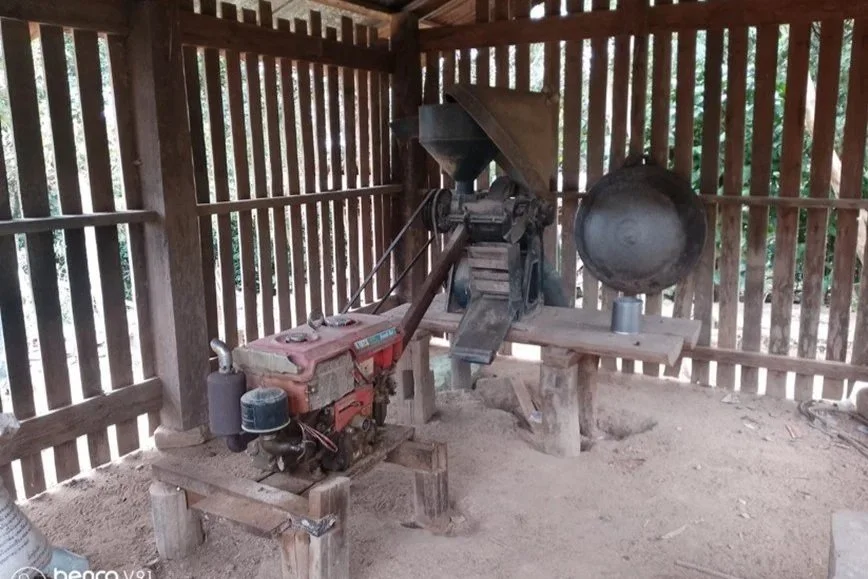
The community previously organized into a specialized coffee collective under the guidance of an NGO project. Through this partnership, they established a central cherry processing mill and implemented a set of collective regulations for its use. While they no longer supply their harvest through that specific NGO, the village continues to utilize this shared infrastructure and organized management system to maintain the quality of their coffee production.
Make it stand out
Ethnic Group: Katu
Population: 203 (42 Households)
Primary Industry: 100% Coffee Cultivation
Infrastructure: Community-managed cherry processing mill
Access: Dual routes via Dak Cheung or Dak Triam